Residential Painting Services in Michigan: The Complete Homeowner’s Guide to Interior and Exterior Painting
Key Takeaways
- Professional residential painting services provide both protection and beauty for Michigan homes.
- The state’s unique climate demands durable, high-quality paints and expert preparation methods.
- Interior and exterior painting each requires specialized tools, finishes, and techniques for long-lasting results.
- Understanding paint chemistry, surface prep, and maintenance helps homeowners make informed decisions.
- Investing in skilled local painters ensures efficiency, consistency, and enhanced property value.
Why Residential Painting Matters for Michigan Homes
Painting your home is one of the simplest yet most transformative improvements you can make. A professional paint job enhances curb appeal, protects materials from moisture and UV damage, and refreshes the entire atmosphere of your living space. But for homeowners in Michigan, where the weather shifts from humid summers to freezing winters, paint is more than just decoration. It’s a layer of defense.
Each year, thousands of homeowners across Oakland, Genesee, and Macomb Counties hire painting contractors to update interiors, refinish exteriors, and restore aging surfaces. Residential painting is a blend of craftsmanship and science, combining color design, product chemistry, and precise surface preparation to achieve a long-lasting, beautiful result.
What Are Residential Painting Services?
Residential painting services cover every aspect of home painting, inside and out. A professional painter doesn’t just apply color; they assess surface conditions, repair minor damage, and select coatings that suit your environment.
Residential Painting:
Residential painting involves the preparation, coating, and finishing of surfaces within and around homes. This includes walls, ceilings, trim, cabinets, siding, decks, and fences. The process protects materials from weather, moisture, and daily wear while improving aesthetic appeal.
Core Components of Residential Painting
- Surface Assessment – Identifying cracks, peeling, or water damage before painting begins.
- Preparation & Repair – Cleaning, sanding, caulking, and priming surfaces for optimal adhesion.
- Paint Selection – Choosing formulas based on location, material type, and environmental conditions.
- Application – Using brushes, rollers, or sprayers for consistent coverage and smooth finishes.
- Inspection & Cleanup – Reviewing results for even color and sealing against future damage.
Interior Painting: Enhancing Your Home from the Inside Out
Interior painting is about more than color; it’s about creating comfort, personality, and flow. Well-executed interior paint transforms how light interacts with your space and influences mood and energy.
What Interior Painting Services Include
- Wall, ceiling, and trim painting
- Accent walls and decorative finishes
- Cabinet refinishing and staining
- Drywall repair and patching
- Stairwells, basements, and entryways
- Color consultation and finish selection
| Finish Type | Typical Use | Key Benefits |
|---|---|---|
| Flat / Matte | Bedrooms, ceilings | Non-reflective, hides imperfections |
| Eggshell | Living rooms, hallways | Soft sheen, easy cleaning |
| Satin | Kitchens, bathrooms | Durable and moisture-resistant |
| Semi-Gloss | Doors, trim, cabinets | Wipes clean easily |
| High-Gloss | Accent or decorative areas | Sleek, reflective appearance |
Understanding Paint Chemistry
Modern paints are a blend of binders, pigments, and additives. Binders determine adhesion; pigments provide color and coverage; and additives control flow, drying time, and resistance. Acrylic latex paints dominate interior applications for their low odor, fast drying, and excellent durability.
Painting Tip:
Look for paints labeled low-VOC or zero-VOC—these produce minimal fumes, making them safer for family homes, especially during Michigan’s colder months when ventilation is limited.
How Lighting and Color Psychology Impact Interiors
Choosing colors isn’t just about style, it’s about atmosphere. Cooler hues like blues and greens create calm, while warmer tones such as gold and terracotta inspire energy.
Natural light plays a huge role, too. In Michigan’s long winters, light reflectance values (LRV) become important. Lighter paints reflect more light, brightening spaces even on cloudy days.
Example:
- North-facing rooms benefit from warm tones like soft yellow or beige.
- South-facing rooms handle cooler shades like light gray or dusty blue beautifully.
Exterior Painting: Protecting Your Home from Michigan’s Climate
Michigan’s weather makes exterior painting a complex task. Paint isn’t just for beauty; it acts as a protective skin against moisture, temperature fluctuations, and UV rays.
What Exterior Painting Services Include
- Complete siding repainting (wood, aluminum, vinyl, or fiber cement)
- Trim, fascia, and soffit coating
- Deck and fence staining or sealing
- Power washing and surface preparation
- Exterior caulking and joint sealing
- Gutter and accent painting
Paint Failure:
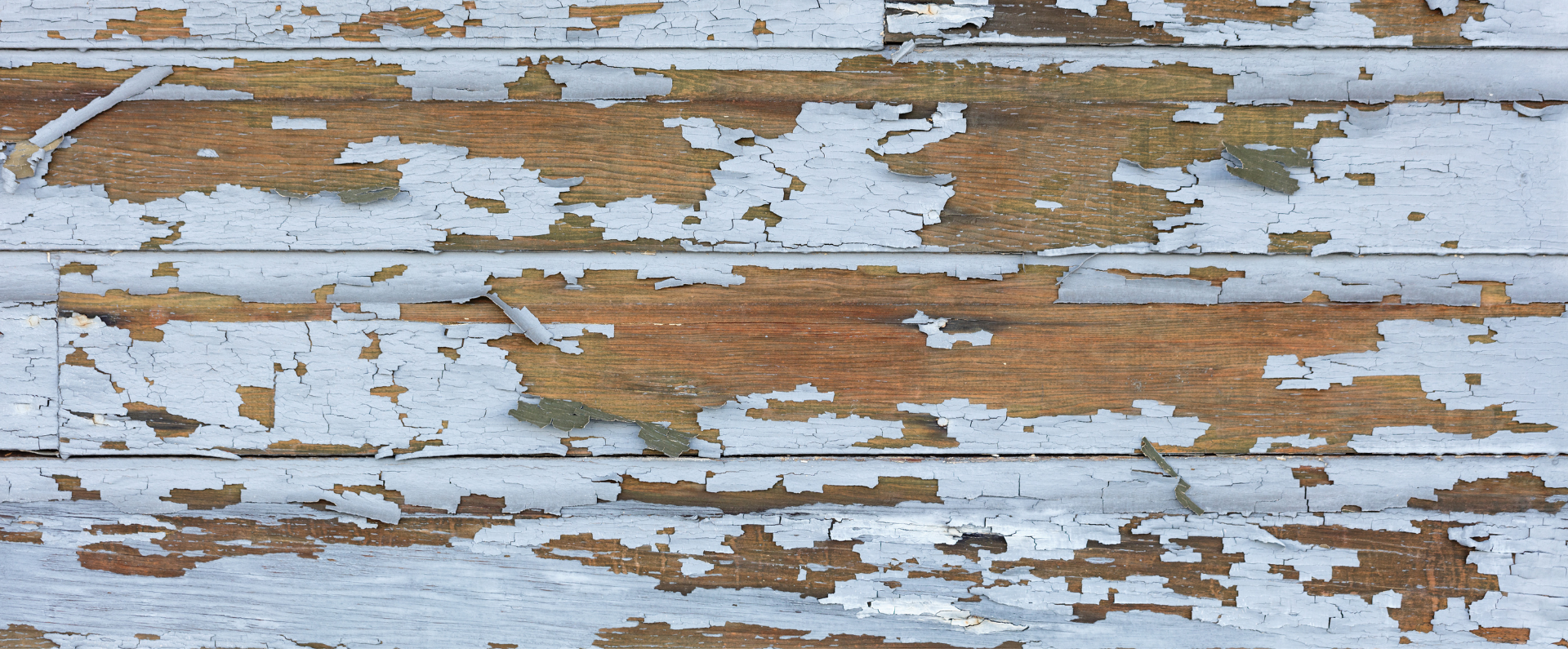
Paint failure refers to premature peeling, cracking, or blistering that occurs when paint loses adhesion. Moisture penetration, unsealed joints, or inadequate surface prep often causes it.
Common Exterior Paint Problems and Causes
| Problem | Likely Cause | Prevention |
|---|---|---|
| Peeling | Poor adhesion, unprimed surfaces | Use primer + power wash surfaces |
| Fading | UV exposure | Choose UV-resistant coatings |
| Blistering | Trapped moisture | Paint in dry weather, use breathable paint |
| Cracking | Inflexible paint | Use 100% acrylic latex for elasticity |
Paint Technology for Harsh Climates
Modern exterior paints are engineered for thermal expansion, UV stability, and moisture resistance. In Michigan’s freeze-thaw cycles, acrylic latex paints outperform oil-based coatings because they flex rather than crack as materials expand and contract.
Seasonal Considerations: When to Paint in Michigan
Timing matters more in Michigan than in most states. The right season ensures proper curing and adhesion.
| Season | Average Temp | Painting Conditions |
|---|---|---|
| Spring | 50–70°F | Ideal for interiors and sheltered exteriors |
| Summer | 65–85°F | Excellent for most exterior work |
| Fall | 50–70°F | Best for final coats before winter |
| Winter | <45°F | Use winter-formulated paints only |
Professional painters monitor dew point, humidity, and surface temperature, factors that directly impact finish quality. A warm, dry day with minimal wind is ideal for uniform application.
How Often Should You Repaint?
The lifespan of paint depends on material, exposure, and maintenance. Regular repainting prevents costly repairs later.
| Surface Type | Lifespan | Indicators for Repainting |
|---|---|---|
| Interior walls | 5–7 years | Dulling, scuffs, stains |
| Trim & doors | 3–5 years | Chipping or discoloration |
| Exterior siding | 5–10 years | Peeling, fading, cracking |
| Decks & fences | 2–4 years | Weathering, gray wood |
Expert Insight:
Better Homes & Gardens notes that exterior paint is often recommended to be redone every 5 to 10 years.
Color Trends and Design Inspiration for Michigan Homes
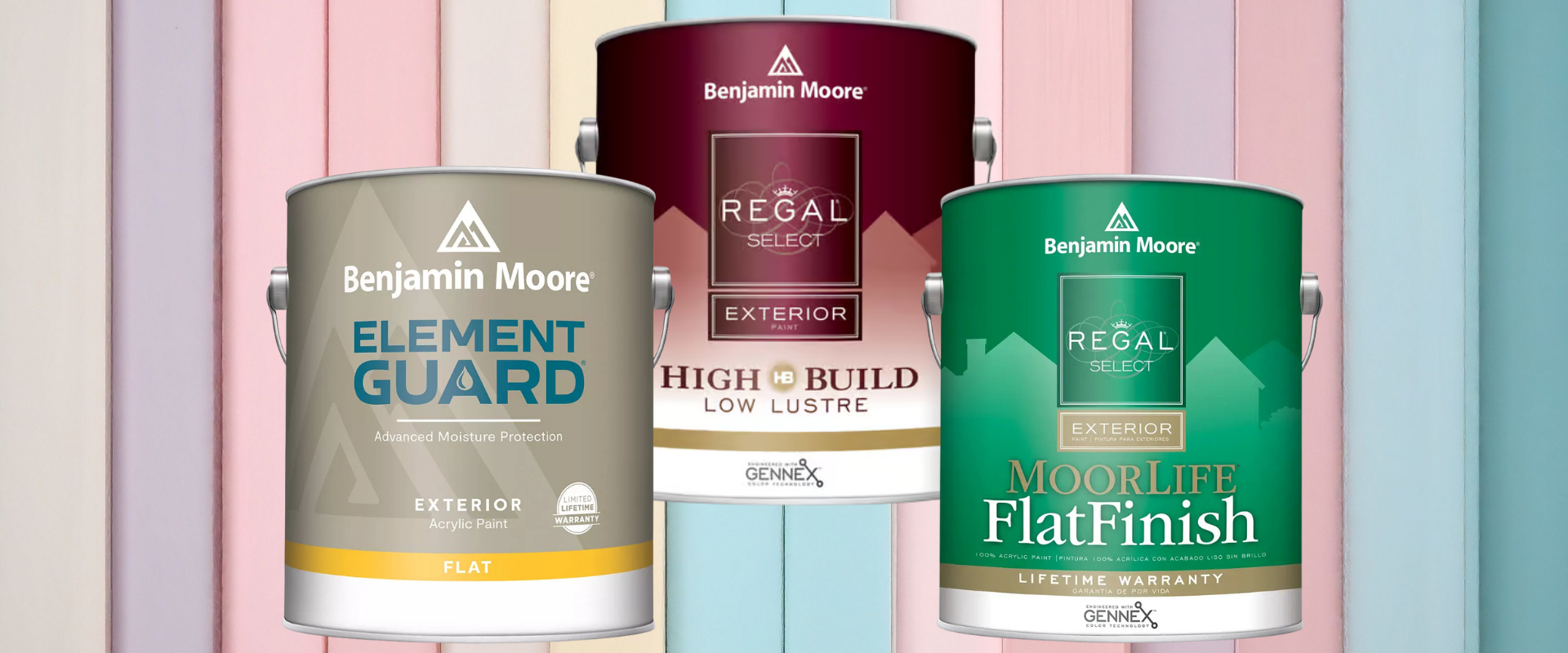
Every year, Benjamin Moore releases a Color Trends palette and a Color of the Year, which heavily influence residential painting choices. For 2025, their curated palette includes hues that lean toward quiet, nature-inspired tones, perfect for Michigan’s environment and architectural character.
Top Trending Benjamin Moore Colors for 2025
Here are some of the standout hues from Benjamin Moore’s 2025 palette that align well with Michigan home styles:
Color Description & Best Uses
- Cinnamon Slate (2113-40) The Color of the Year, a balanced plum + velvety brown tone. It acts almost like a neutral while offering subtle depth, ideal for accent walls or main exteriors in transitional or classic homes.
- Sea Salt (CSP-95) A soft, watery green/gray that’s highly versatile. It works beautifully in interiors that want a cool, calm effect like bathrooms, bedrooms, or even trim on exteriors.
- Leather Saddle Brown (2100-20) A rich, earthy brown that’s coming back in popularity. Great for accent features, cabinetry, or exterior portions where a grounded, warm character is desired.
- Paris Rain (1501) A muted greige with soft green undertones less than pure gray. Ideal for full-home exteriors or interiors seeking sophistication with warmth.
- Rosepine (461) A mossy, mid-tone green with a slightly muted, organic vibe. Great for trim, cabinetry, built-ins, or accent walls that tie back to Michigan’s natural palette.
- Ashwood Moss (1484) A deeper, moody green that works well in spaces needing contrast or a dramatic touch. Use it sparingly for accents or as a feature color.
- Glacier White (OC-37) A soft, bright white that holds warmth without becoming sterile. Ideal for trim, exteriors, or interior base layers.
- Tissue Pink (1163) A gentle pink/beige tone that brings a blush warmth to interiors without being overpowering. Suitable for bedrooms, powder rooms, or paired accents.
- Stained Glass (CSP-685) A deeper teal / blue-green shade—excellent for dramatic accents, feature walls, or focal elements.
Design Note: Use a neutral or softly muted base (Glacier White, Sea Salt, Paris Rain) and layer one or two accent colors (Leather Saddle Brown, Rosepine, Stained Glass) for visual interest. For example, a Paris Rain exterior with Glacier White trim and Rosepine or Leather Saddle accent details can yield a modern yet timeless Michigan look.
How Professional Painting Increases Home Value
Painting offers one of the highest returns on investment in home improvement.
According to Open Door, homes with newly painted exteriors sell for 2-5% more than comparable properties. Similarly, an updated interior color palette can influence buyer emotion and perceived value.
| Painting Project | Average ROI | Value Added |
|---|---|---|
| Full exterior repaint | 51–55% | Enhanced curb appeal |
| Interior repaint | 100–107% | Fresh, modern aesthetic |
Fresh paint also contributes to energy efficiency. Light-reflective coatings reduce heat absorption in summer, while sealed surfaces prevent drafts and moisture damage in winter, which is important in Michigan’s fluctuating seasons.
Choosing the Right Painting Contractor
Finding qualified local painters is as crucial as choosing the right paint. A professional understands how to adapt techniques to Michigan’s varying weather conditions and surface materials.
What to Look for
- Proven experience with residential projects
- Use of premium paints and primers
- Comprehensive surface preparation
- Written warranties and transparent estimates
- Local references and positive reviews
Paint Warranty:
A paint warranty covers product performance and application workmanship for a specified duration, typically 5 to 10 years for professional services. It ensures that peeling or fading within that time is corrected without additional cost.
Tip: Always confirm your painter follows EPA lead-safe practices.
Maintenance Tips for Long-Lasting Paint
Proper maintenance extends the lifespan of your paint job and keeps your home looking its best.
- Inspect Annually: Look for cracks, bubbling, or fading each spring.
- Clean Surfaces: Wash siding with mild detergent and soft brushes to remove dirt and mildew.
- Touch Up Early: Small chips can proliferate in Michigan’s humid environment.
- Trim Trees & Shrubs: Prevent branches from scraping painted surfaces.
- Monitor Humidity Indoors: Use dehumidifiers in basements to avoid wall discoloration.
How much do residential painting services cost in Michigan?
Interior painting typically costs between $2–$5 per square foot, while exterior painting ranges from $3–$7 per square foot, depending on materials, prep work, and height. Custom trim or high-end finishes can increase the estimate.
What is the best paint for Michigan’s weather?
For exteriors, 100% acrylic latex paints are best. They resist moisture, flex with temperature changes, and maintain color longer. For interiors, choose washable matte or satin finishes for durability.
Can painting help with energy efficiency?
Yes. Light-colored exteriors reflect sunlight, reducing heat absorption, while interior paints with insulating properties can help maintain stable temperatures.
How long should I wait between coats of paint?
Most latex paints require 2–4 hours between coats, but humidity can extend drying time. Always follow the manufacturer’s recommendation for optimal adhesion.
How do I prepare my home before painters arrive?
Move furniture away from walls, remove décor, and cover flooring with protective cloths. For exterior projects, clear vegetation and outdoor furniture from the work area.
Are low-VOC paints worth it?
Absolutely. Low-VOC paints reduce indoor pollutants and odors while maintaining excellent performance. They’re ideal for bedrooms, nurseries, and enclosed spaces.
How often should Michigan homeowners repaint their exteriors?
On average, every 5–10 years, though south-facing sides may need attention sooner due to UV exposure.
A Lasting Investment in Home Comfort and Protection
Residential painting is both an art and a science. Beyond adding color, it shields your home from weather, moisture, and time itself. With Michigan’s unpredictable climate, quality products and professional craftsmanship are essential to ensure durability and beauty.
Whether you’re revitalizing an interior living space or protecting your exterior against the elements, investing in professional painting ensures precision, longevity, and peace of mind. A fresh coat of paint can completely redefine your home inside and out.